
Natsu Omakase: My Go-To Michelin Star Sushi Restaurant
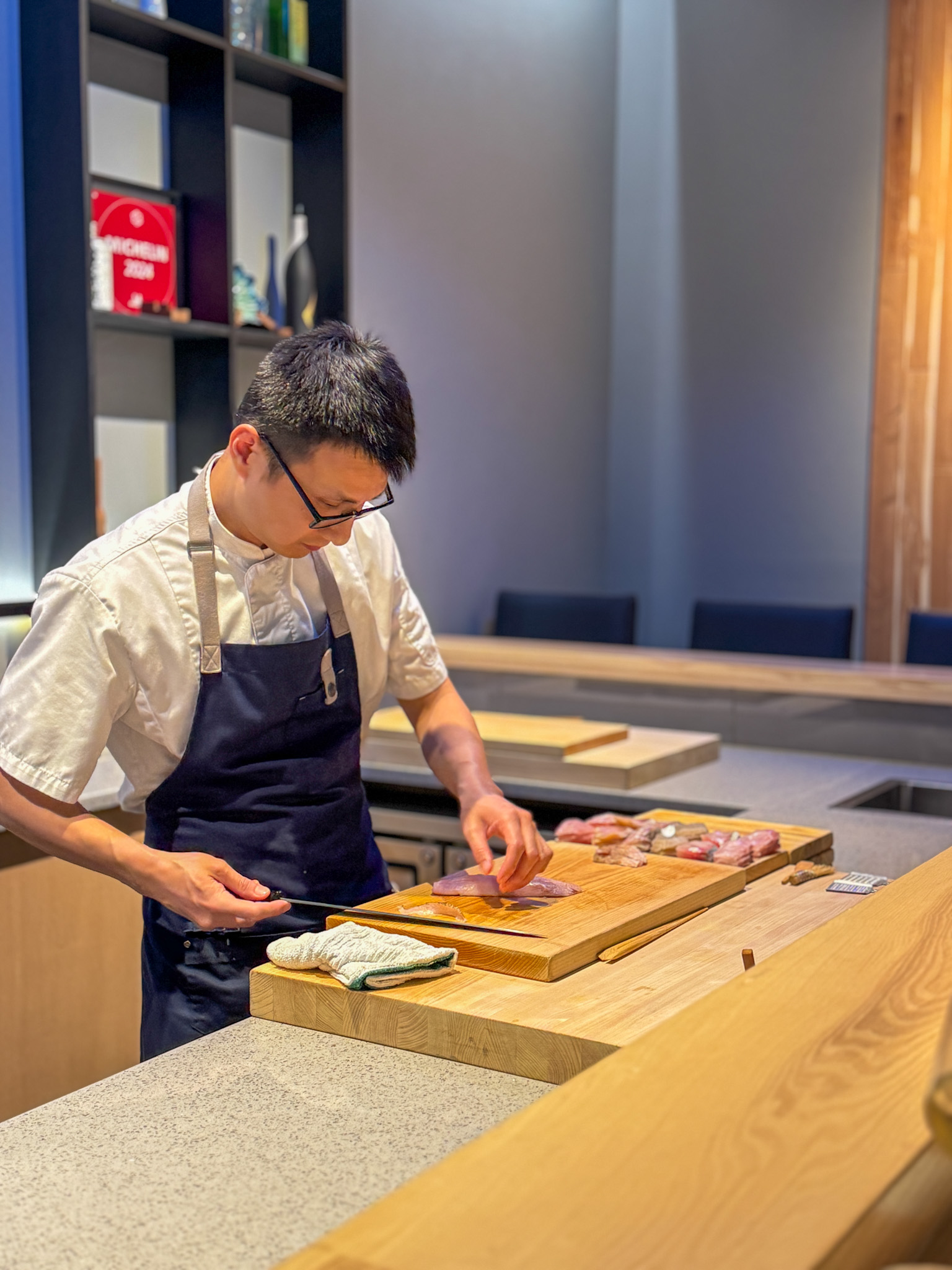
If you had read my previous guide where I ranked all of Orlando’s Michelin stars, then you know I hold Natsu and Chef Stone in high regard. After the disappointing experience at Koya in Tampa, we had to have a do-over so we could get our sushi fix.
Natsu is the perfect place for someone that wants pure traditional edomae sushi. We go on Tuesdays where the menu is more affordable and barebones, focusing on the nigiri rather than their full omakase which has more introductory dishes.
Starting with Chawanmushi
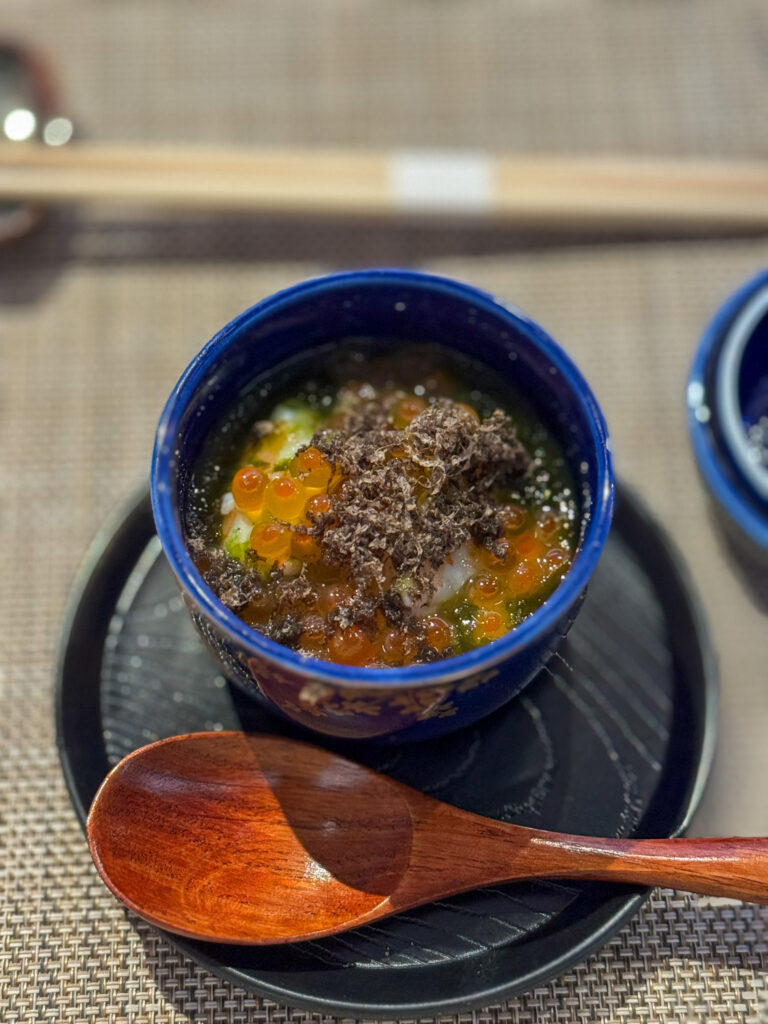
The only non-sushi savory dish of the night is the always expected chawanmushi, which is a savory egg custard with toppings that Chef Stone switches out depending on the seasonality of ingredients. I’ve had many versions of this appetizer, and I think the one at Natsu omakase is the best. Ultra savory with the slimy seaweed sauce on top, the popping brininess of the salmon roe, earthy aroma from the truffles, and the sweetness from the perfectly cooked tender shrimp. I love it.
The Nigiri Parade at Natsu Omakase
There is honestly no complaints when it comes to the sushi itself at Natsu. I think every piece is executed with absolute methodical precision and balance of flavors, so I cannot complain about the process itself.
Ishigaki Dai (Knifejaw)
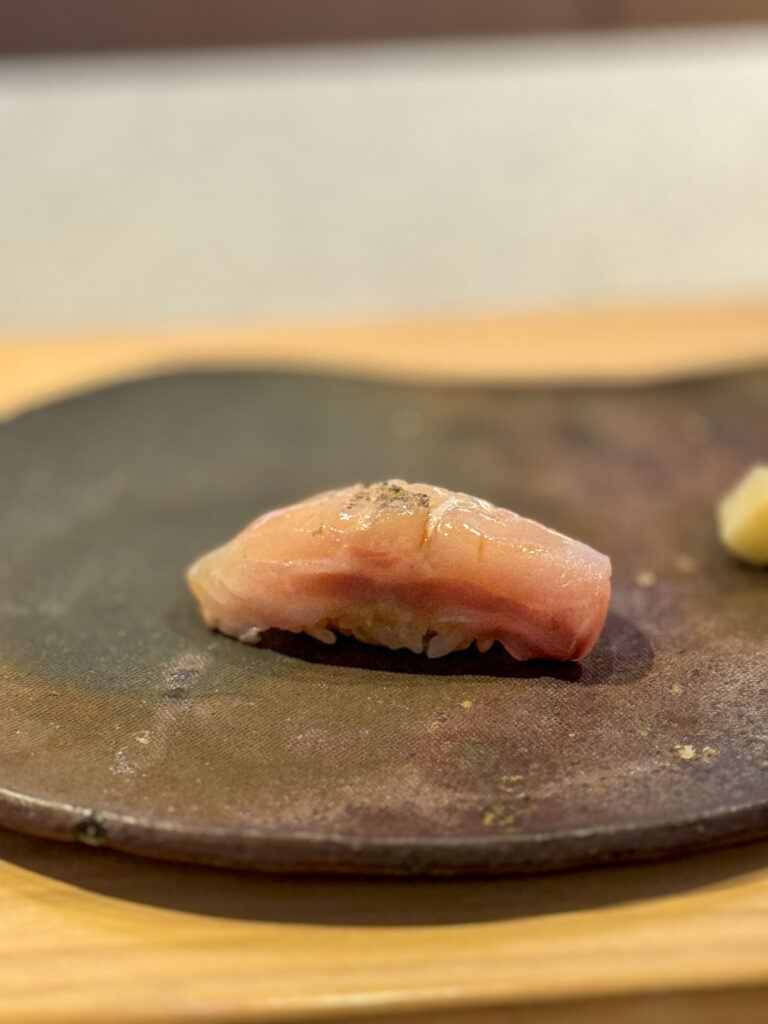
The first piece is the Ishigaki dai or knifejaw. This fish is lean and very clean tasting with a unique firm and almost crunchy bite to it. Like all the following pieces, the rice is always perfect temperature and cuts through the umami of the fish with vinegar.
Shima Aji (Striped Jack)
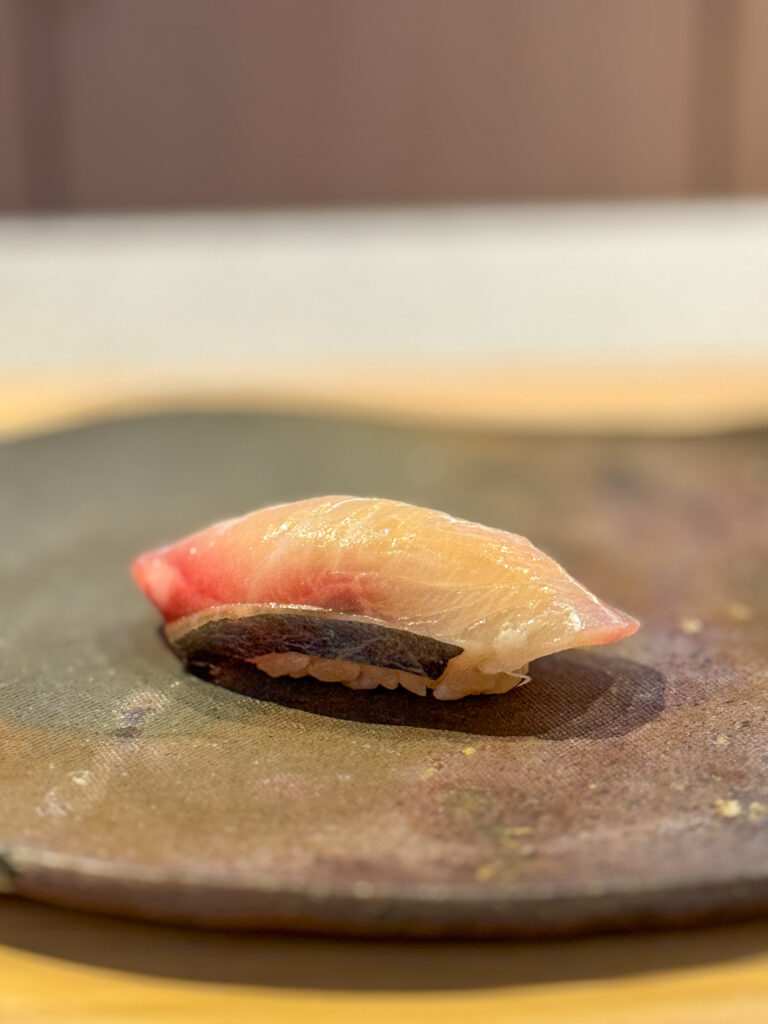
The next piece is the shima aji, a common piece at omakase joints. It’s easy to tell when sushi is bad, but when nigiri is this well balanced, it’s hard to comment on specifics.
Sawara (King Mackerel)
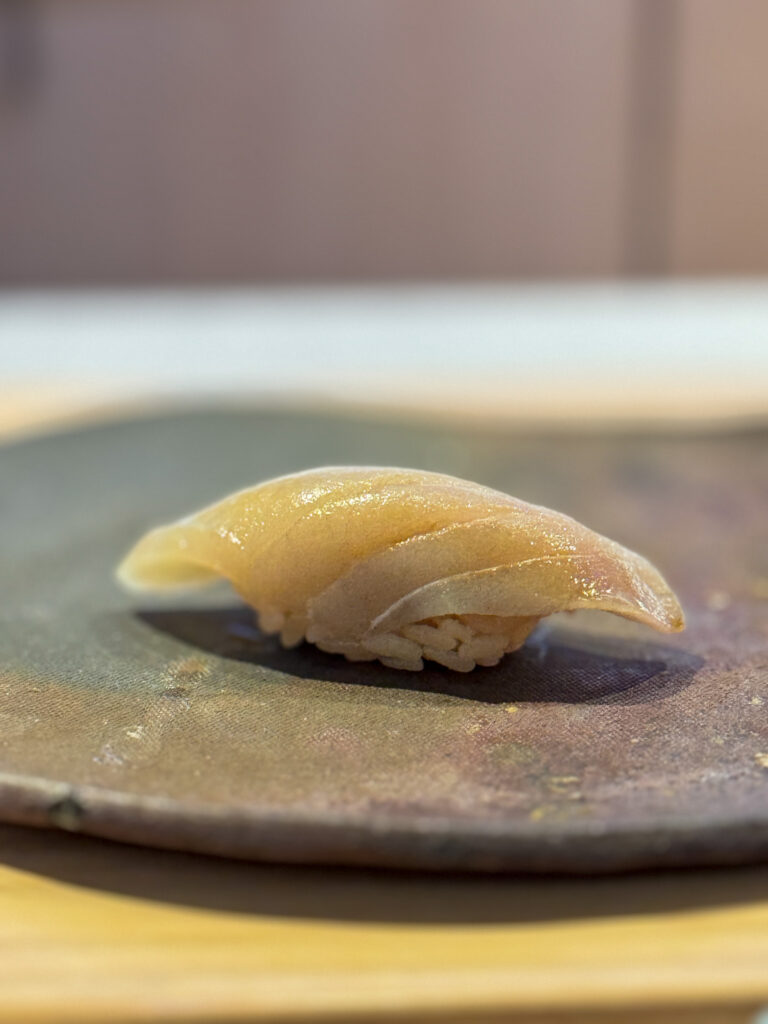
The next piece is sawara, and this was the most memorable because I realized I am not a fan of this fish. It had a sort of mushiness to it that was not due to mishandling or going bad. It is just the natural texture of the fish to have no real resistance or bite.
Aji (Horse Mackerel)
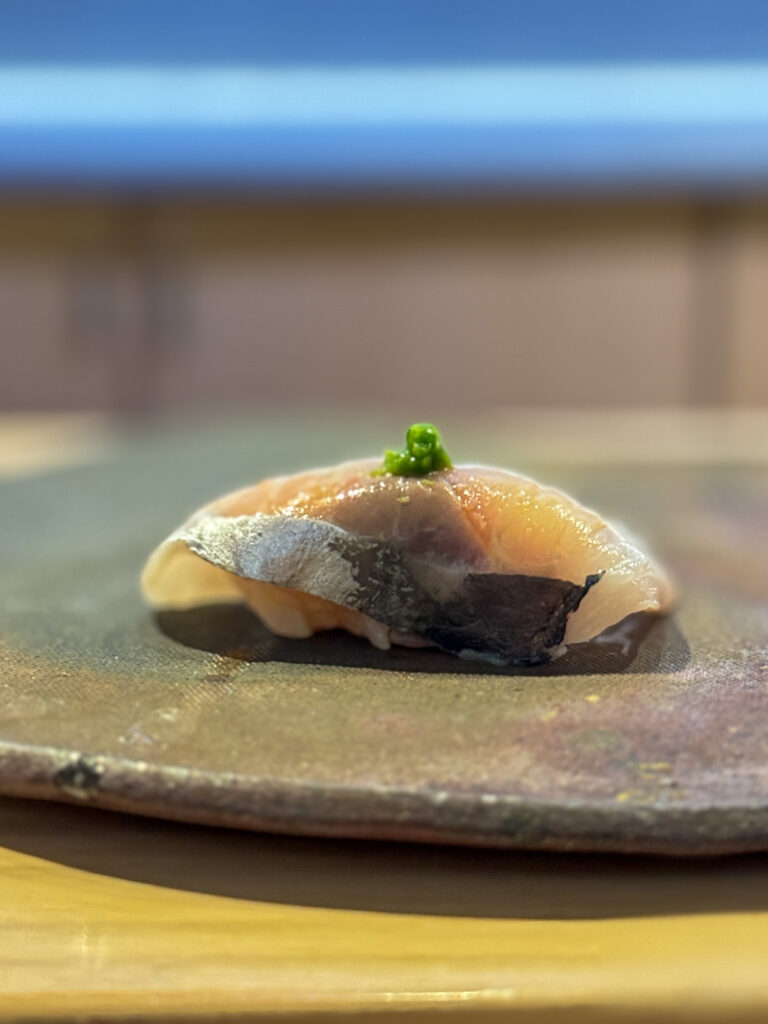
Aji, which is another mackerel, is an intimidating piece of fish and probably not the easiest for people transitioning from California rolls to classic sushi. Horse mackerel is an oily fish, and because there is still some of the skin left on the nigiri, there is more of a fish forward flavor compared to the earlier pieces.
Buri (Adult Yellowtail)
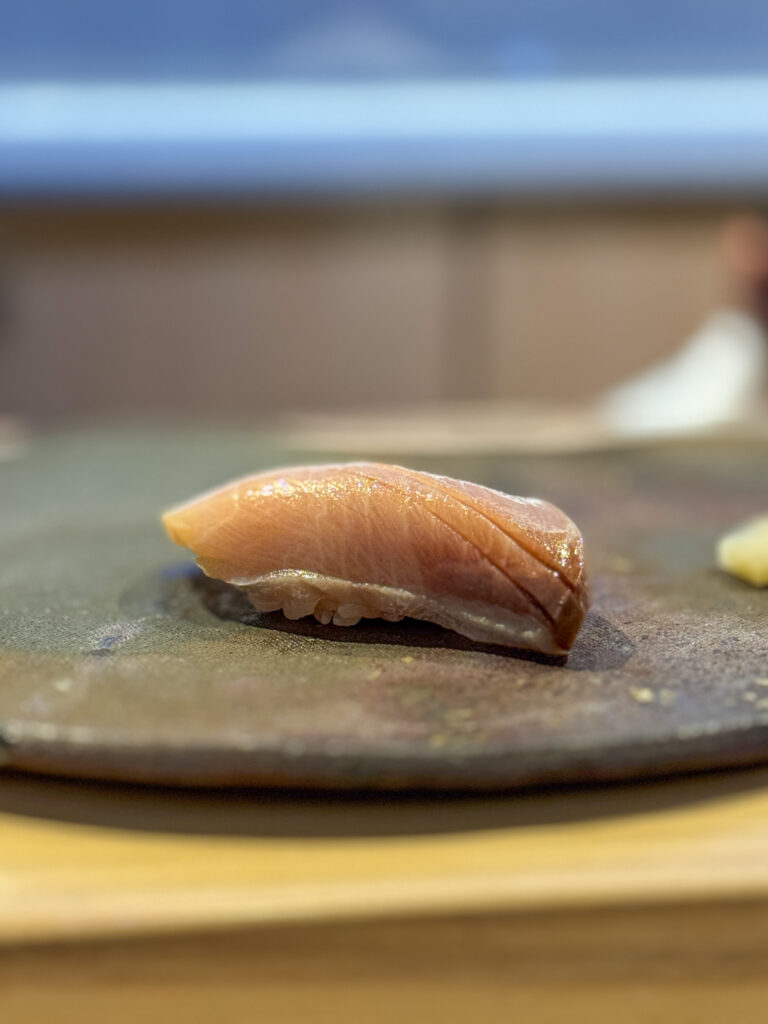
Buri, adult yellowtail, is a rich piece of fish, especially since it is winter time so this yellowtail has an even higher fat content. You can visibly see the marbling in the picture. This isn’t going to melt like otoro, but it is still a savory richness and bolder flavor compared to hamachi, which I am more used to.
Kinmedai (Golden Eye Snapper)
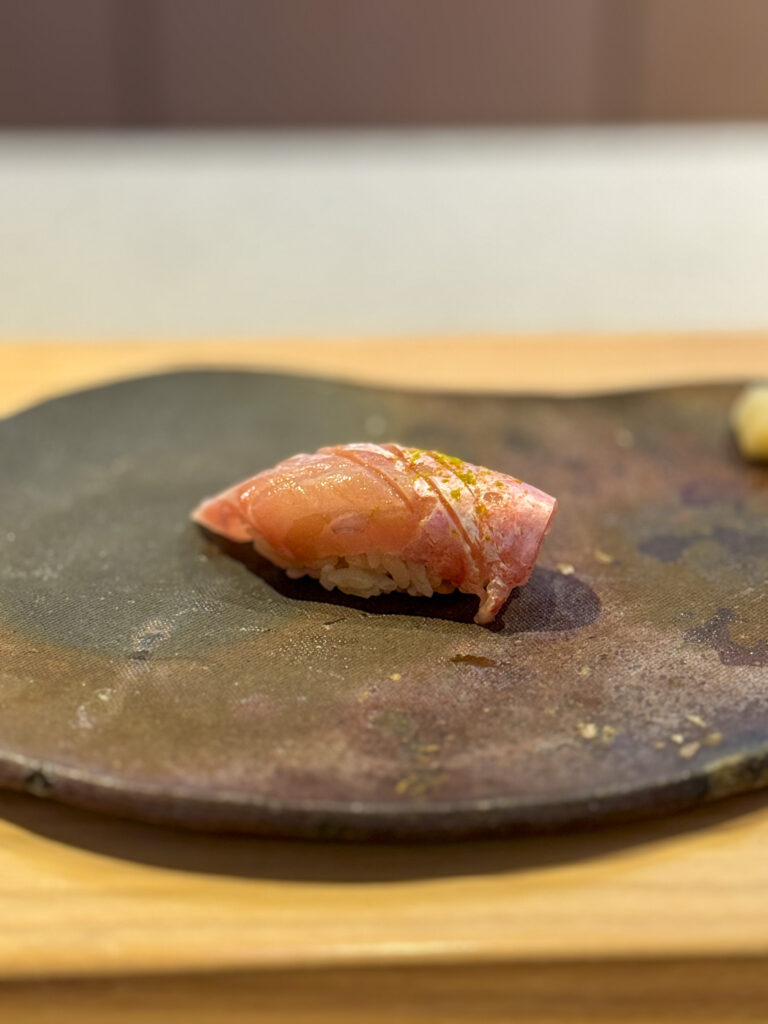
Kinmedai is another inoffensive mild fish. It’s a clean white fish with a subtle sweetness and delicate texture. The quality is definitely there, but I personally don’t find it particularly memorable compared to the bolder or more unique pieces. It serves as a nice palate cleanser between the richer fish.
Scallop
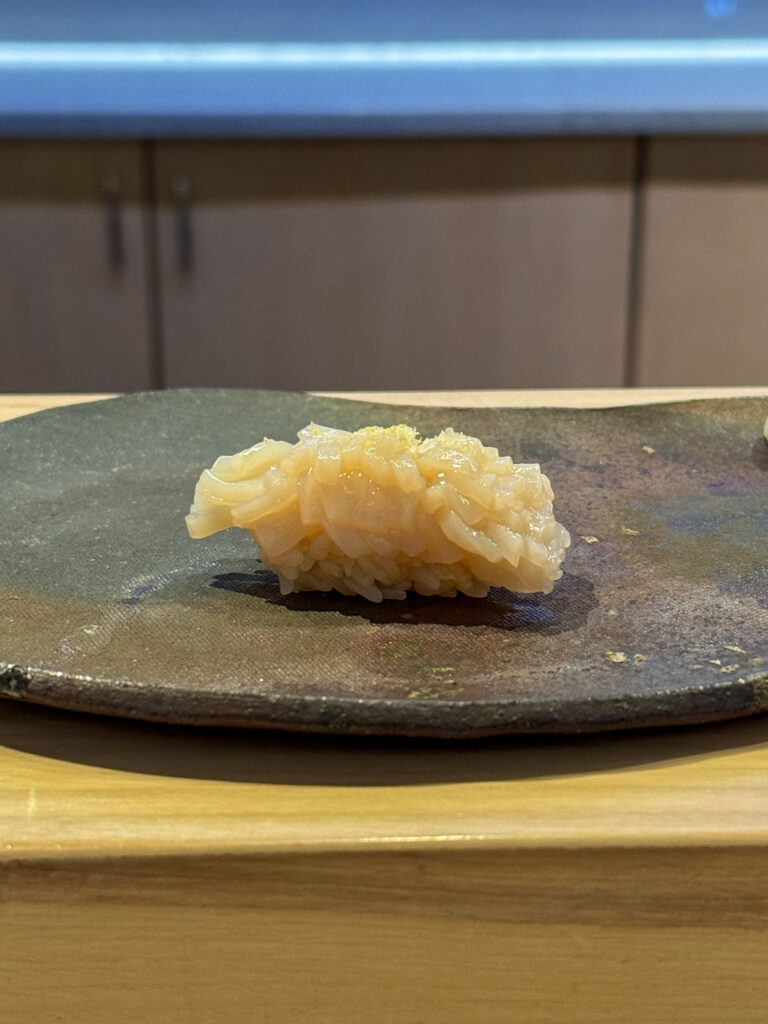
Scallop is one of my favorite pieces of nigiri because when it’s high quality, it’s just so tender and sweet. You can really see the knife work on this piece. The scallop is barely held together, cut like a Rubik’s cube so you barely have to chew. The lemon zest on top really adds a layer of fragrance and freshness to it.
Spot Prawn
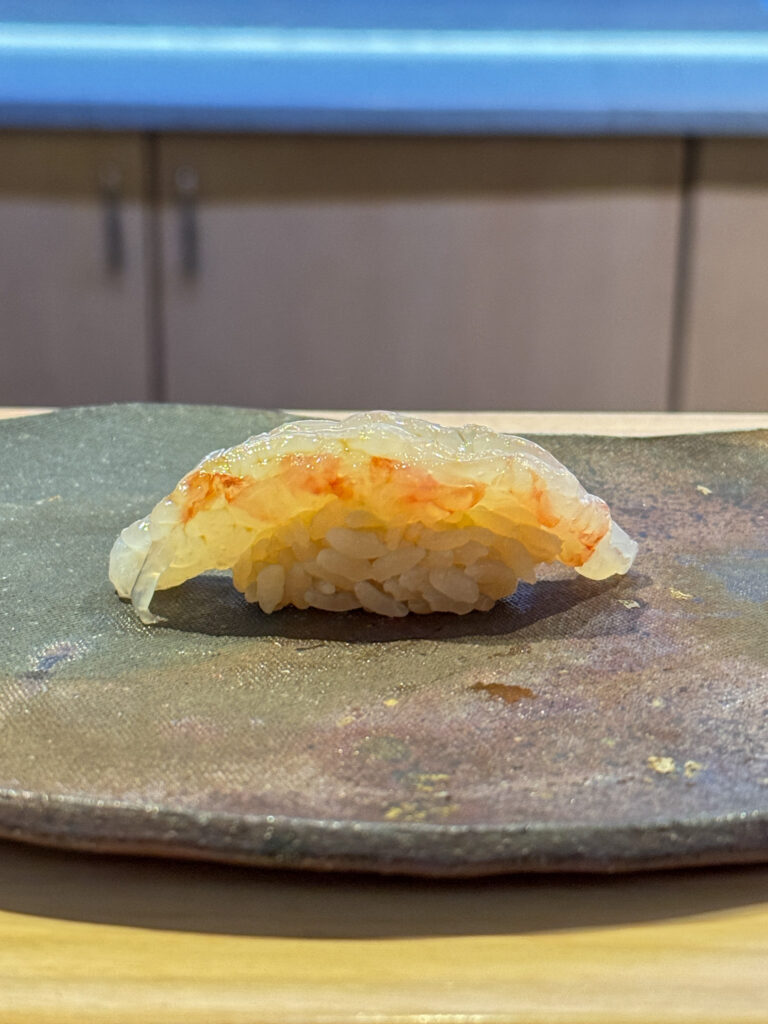
Spot prawn is another one of my favorite pieces of sushi. The torched spot prawn nigiri from Edoboy is still my favorite, but this one from Natsu is still excellent. Plump and sweet, it’s like eating a delicate miniature lobster.
Amberjack
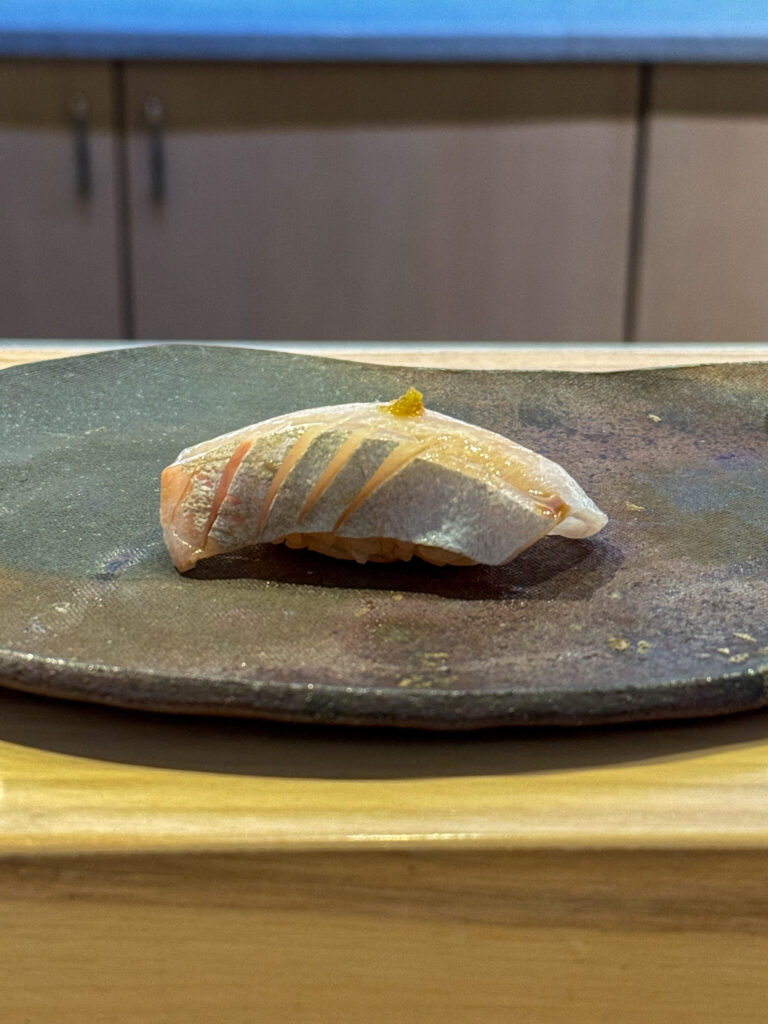
Amberjack is similar to yellowtail but less fatty and has a more subtle clean flavor. Compare that to the buri from earlier which was very fatty and rich. This is on the opposite end of the spectrum.
Lean Bluefin Tuna
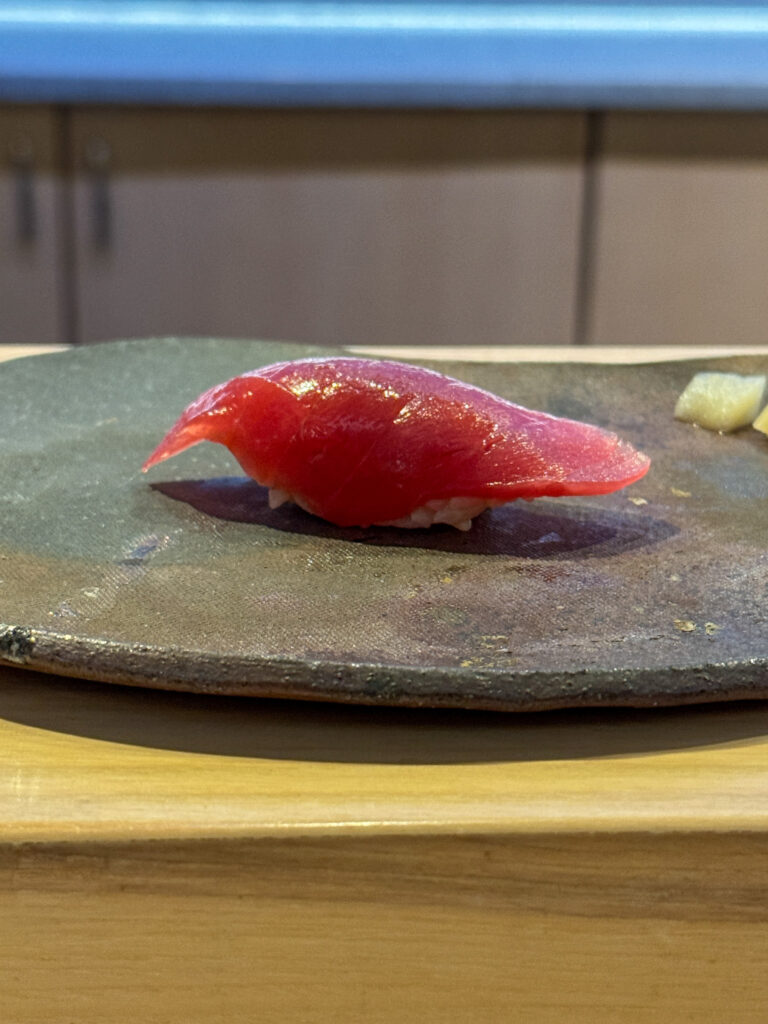
The lean bluefin tuna is a staple of any traditional sushi restaurant. My wife finds the taste too strong, but I like it when it’s prepared well. It’s very meaty with a strong lean flavor but not rich. It’s got some texture which I like.
Chutoro (Medium Fatty Tuna)
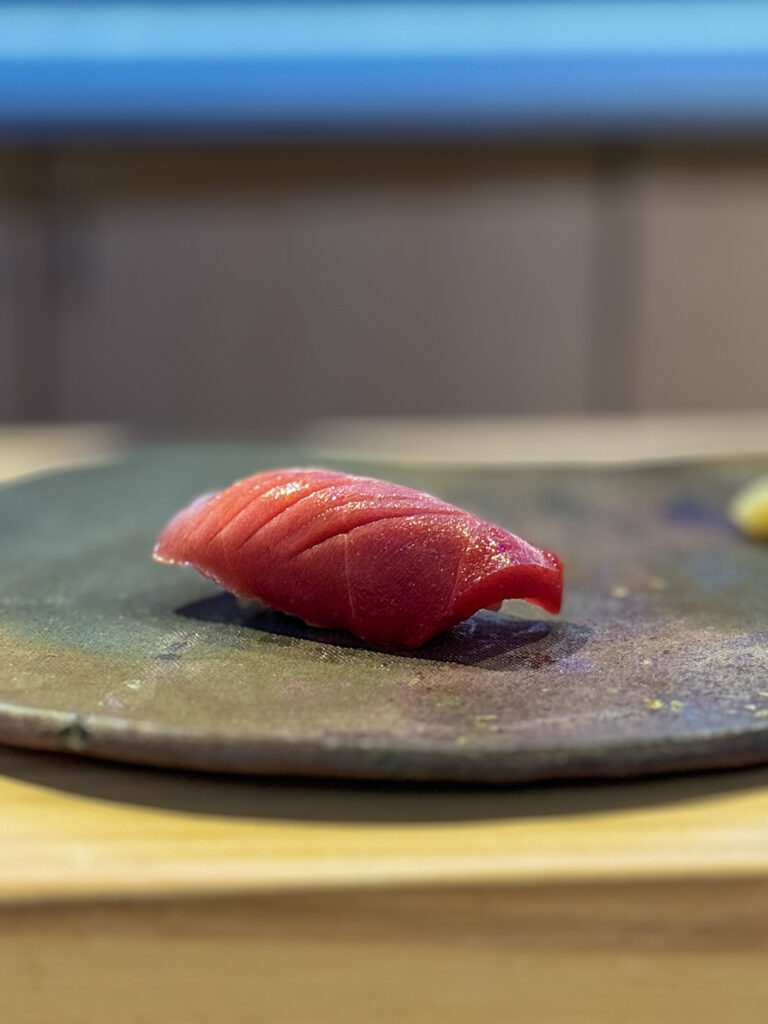
Chutoro is the Goldilocks piece of nigiri for a lot of people. It’s not too lean but also not too fatty, some texture but not chewy and has more complexity to it compared to the lean or the belly cuts. Depending on the day, I prefer this to otoro sometimes.
Otoro (Fatty Tuna Belly)
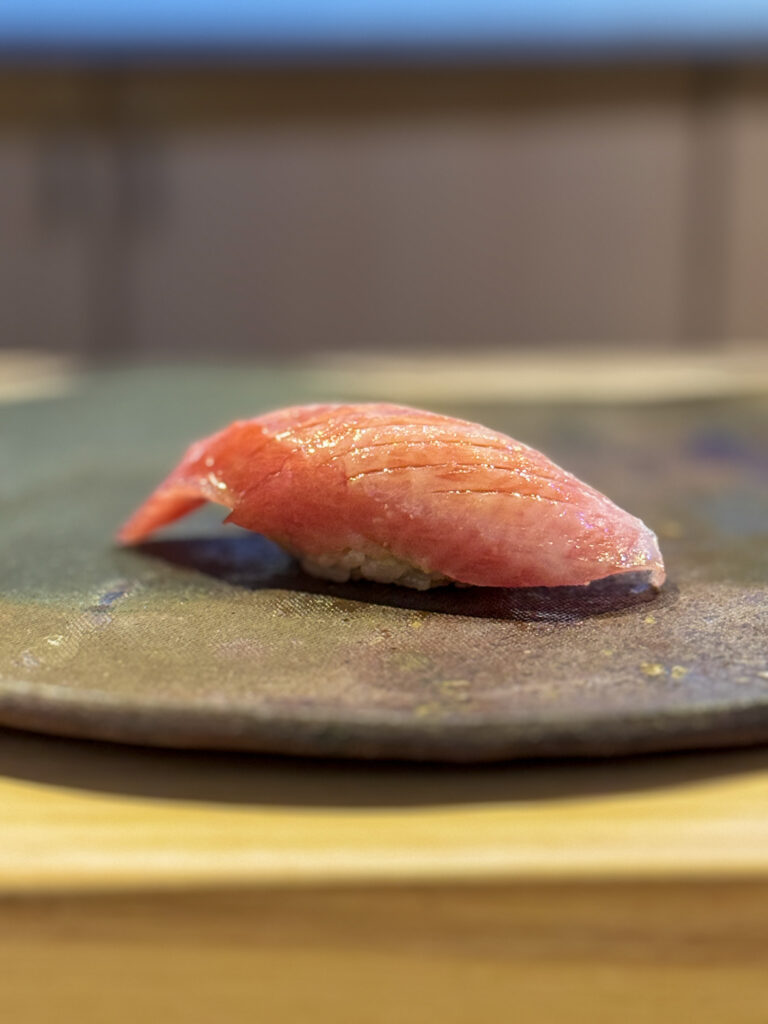
Otoro is the prize cut and the highlight for a lot of people. The wagyu of the sea, as people call it, because it will literally liquefy on your tongue. It’s so soft and delicate but so decadent. I can’t see myself ever eating more than a couple pieces of this in a single sitting before it feels like drinking oil in a fish market. It’s delicious of course, and my seat neighbor deliberately closed his eyes and slowed his chewing to fully experience this luxurious part of the tuna.
Blackthroat Sea Perch (Nodoguro)
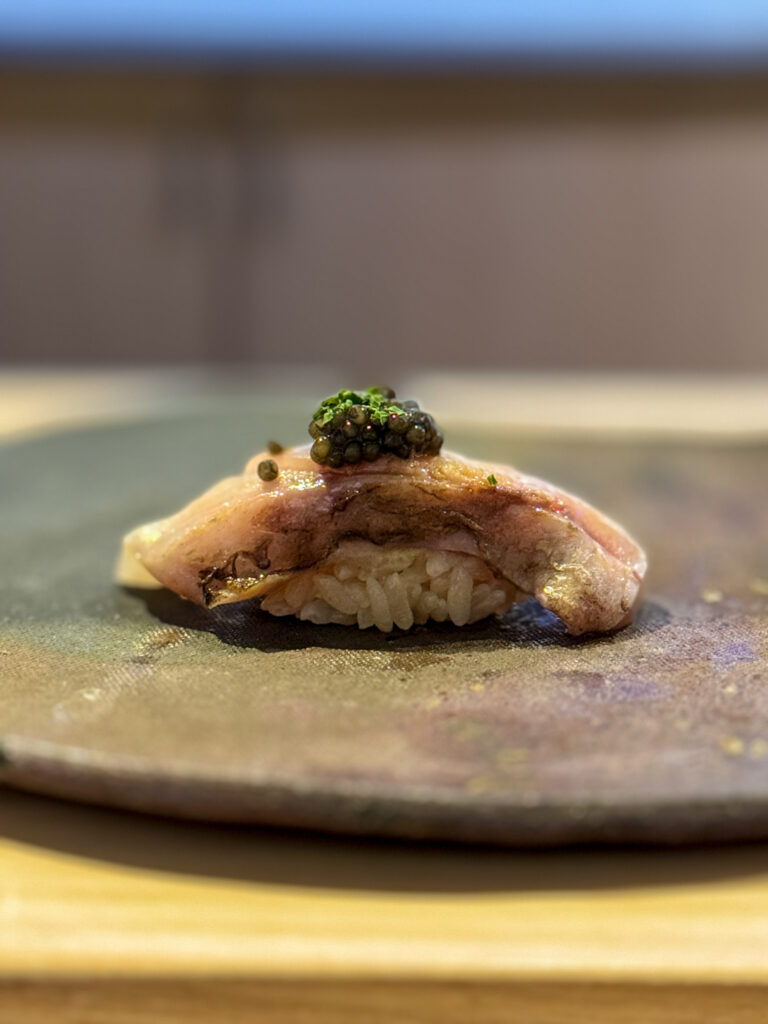
The next piece is an exotic one, the blackthroat sea perch. You won’t see this often since it’s highly seasonal, but it’s a very pricey piece of fish. It’s a white fish but has high fat content, almost like chutoro in fat content but silkier and sweeter in flavor. Chef Stone seared it with a stick of binchotan so it adds some smokiness and also some caviar on top to make it an extra fancy piece.
Uni (Sea Urchin)
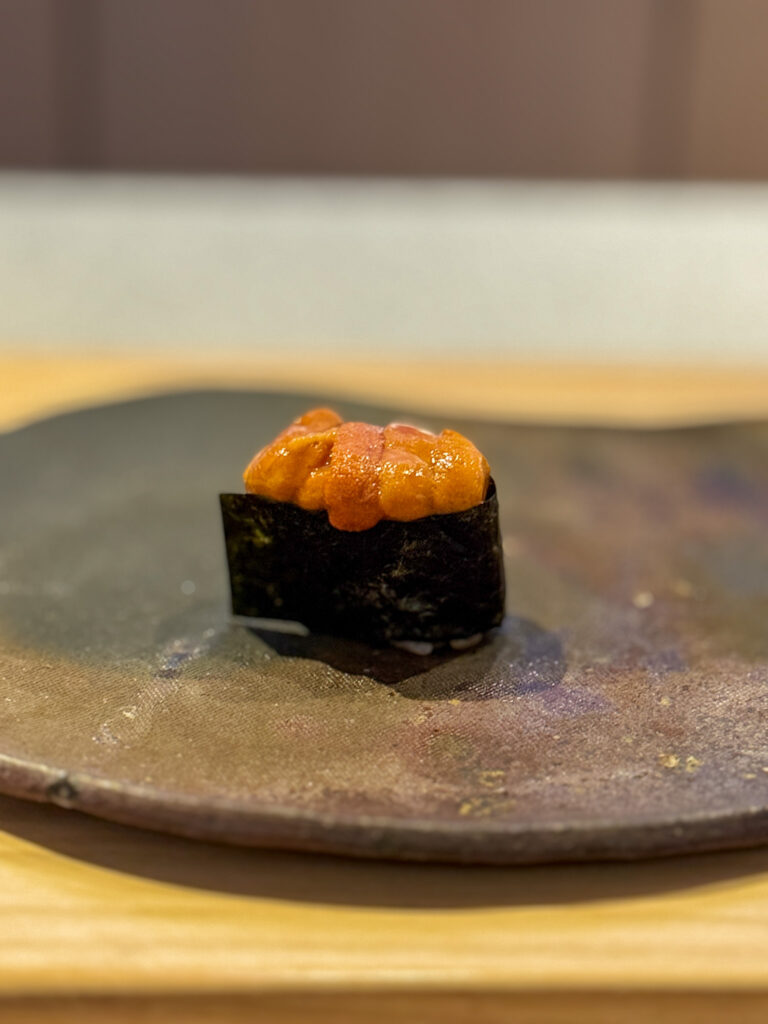
The uni, another luxurious albeit polarizing piece of sushi. Uni when it is bad can be like eating irony bitter fishy snot, but at a great sushi establishment it’s clean brininess with creamy sweetness that pairs well with the sourness from the rice. I am someone that loves uni, but it is not a beginner piece of sushi. This is one of those seafoods that embody the motto you get what you pay for.
Saltwater Eel (Anago)
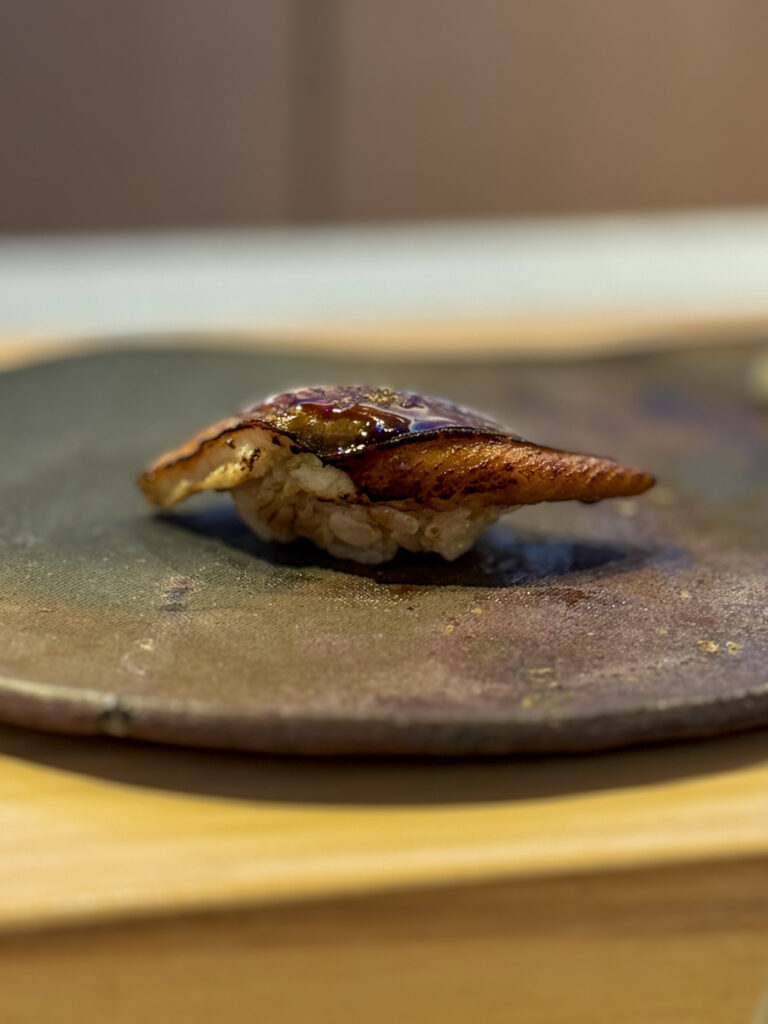
Freshwater eel was the first kind of sushi I ever ate growing up since it was one of the things that were cooked, and I loved it. The meat is so tender, riding the line between soft and mushy. The saltwater kind is firmer and more savory but still sweet. I am partial to the freshwater kind, but I agree this is more complex and more appropriate for omakase than those frozen unagis I usually get at the Asian grocery stores.
Negi Toro Hand Roll
There was a negi toro hand roll at the end of the meal. It was good. The ingredients were fresh and the seaweed was nice and crisp. Nothing to complain about.
Miso Caramel Ice Cream
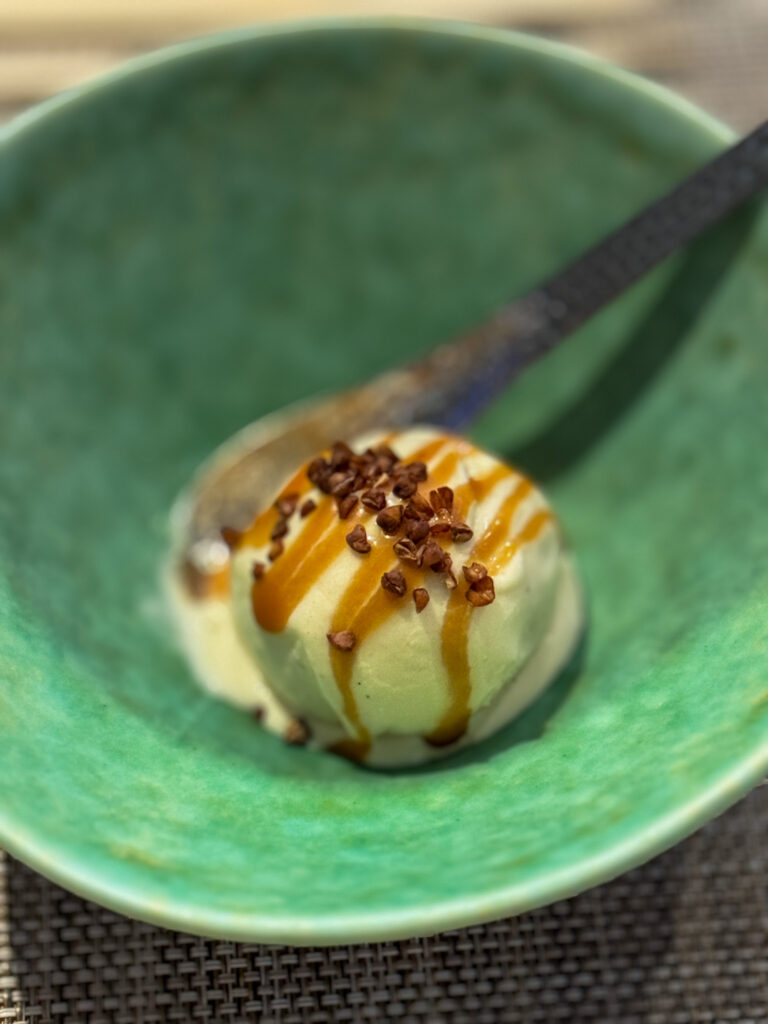
The ice cream was good, but I have had a rendition of this at Natsu every single time, so it has gotten old to me. But the flavor is good, not too sweet, some saltiness from the miso caramel and dense in texture. Probably because Chef Stone uses a Ninja Creami to make the ice cream, so it doesn’t have the aeration of typical ice cream. But I am not judging an omakase restaurant on their ice cream production.
Chef Stone May Be Closing Natsu
During our visit, Chef Stone mentioned something significant. Since we speak Chinese and he is Chinese, we have more rapport than most guests. According to him, he is thinking about closing down Natsu next year because it is just too tiresome to run the show all on his own.
To quote his words, there are not enough sushi chefs in the Orlando area that can hold up to his standards and need a job. It would be an unfortunate loss to the Orlando Michelin scene, but this is a logistical issue that isn’t easily solved since sushi mastery can take years to perfect.
This is not definite, but the fact that he’s considering it speaks to how demanding it is to run a Michelin starred omakase counter essentially singlehandedly.
The Verdict: Is Natsu Omakase Worth It?
Natsu is my go to special occasion sushi place. I think the price point sits at a nice line between fancy but not price gouging. Chef Stone is not the most personable chef, to no fault of his own, since he is pretty much running the counter singlehandedly and his English is not the best. But his precision and dedication to traditional edomae sushi is unmatched in Orlando.
Every piece is executed with methodical precision. The fish quality is impeccable. The rice temperature and vinegar balance is perfect. This is what traditional omakase should be, and it’s the perfect antidote after a disappointing sushi experience elsewhere.
If Chef Stone does decide to close Natsu, it will be a major loss to Orlando’s dining scene. For now, I’m grateful we can still experience this level of sushi craftsmanship.
Tips for Visiting Natsu Omakase
- Go on Tuesdays for the more affordable menu focused on nigiri
- Uni is exceptional if you’re a fan
- Not beginner friendly if you’re used to California rolls
- Go soon as Chef Stone is considering closing due to staffing challenges
Have you been to Natsu Omakase in Orlando? What was your favorite piece of nigiri?



2 Comments