
Orlando’s 2026 Michelin Guide: A Slow Year With Some Hard Truths
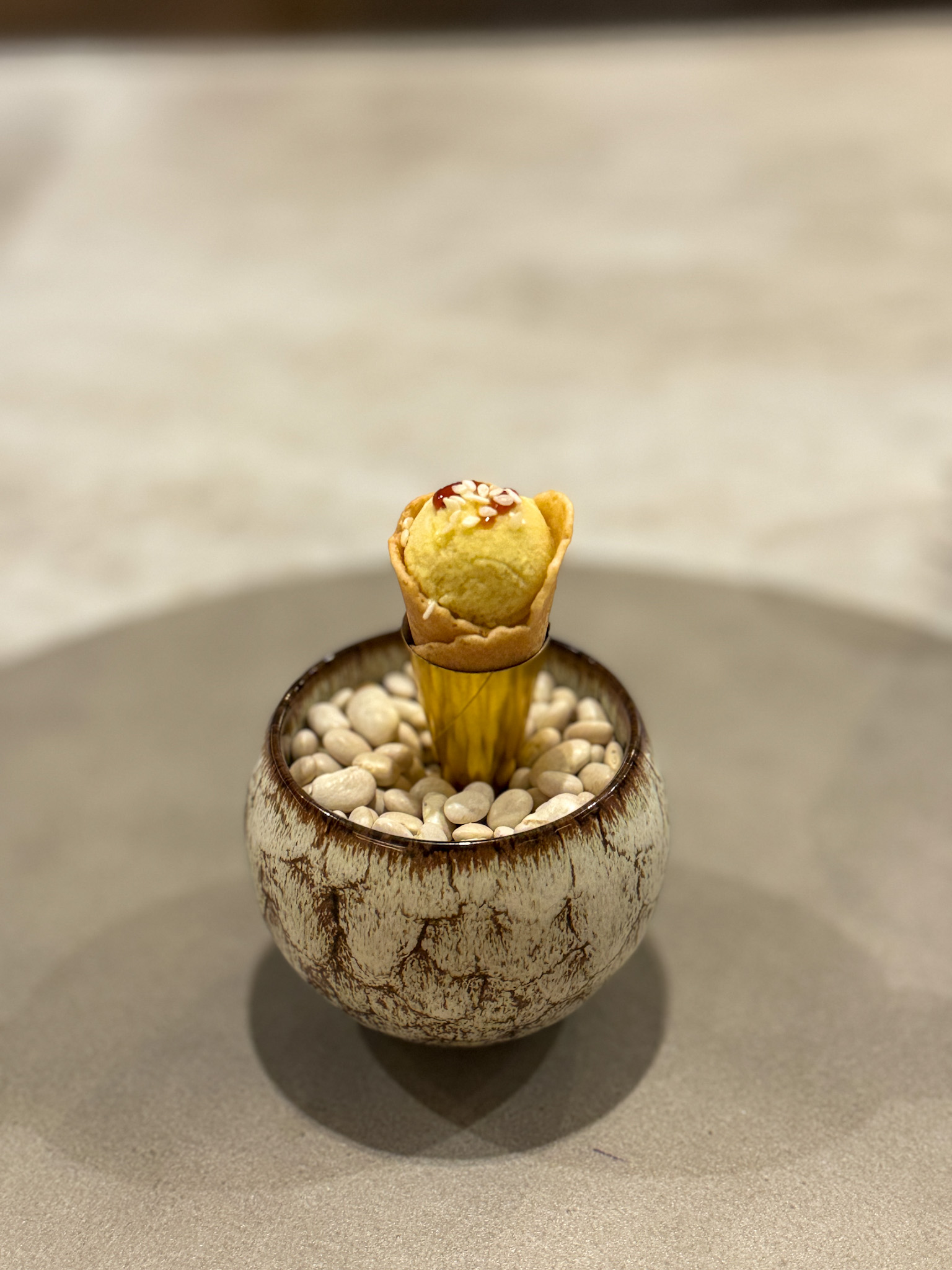
This has been a slow year for the Orlando Michelin scene. Natsu closed down so they obviously lost their star, and Capa and Papa Llama also both lost theirs. Orlando didn’t gain any new stars or bib gourmands, only a handful of restaurants with Michelin Select recognition.
The Stars That Were Lost
Papa Llama and Capa losing their stars makes sense to me.
Papa Llama, as I have previously reviewed, just was not star worthy in my opinion and this was inevitable, especially since they never evolved their menu. A Michelin star requires a restaurant to justify itself year after year and a static menu is a slow death sentence in that regard.
I haven’t been back to Capa in a while but their format just isn’t Michelin friendly to begin with. Michelin inspectors prefer prix fixe fine dining course menus in an intimate environment and Capa is basically the opposite. It’s a huge hotel steakhouse that can seat more people simultaneously than the other Michelin starred restaurants combined. That kind of volume makes consistency hard to maintain, some people say the quality has dropped, and the a la carte menu never changes. Many factors that play against the Michelin mold.
The Select Winners & the Select Problem
There were no new additions to the bib gourmand category, which is Michelin’s distinction for good food at good value. Orlando did gain some Michelin Select restaurants but I’ll be honest, I don’t really understand the Select designation at all. There are very casual places alongside very expensive ones, it’s like a participation award. Michelin’s whole identity was built on being exclusive and selective but the Select designation exists to fill up their guide and it cheapens the rating system.
Getting into the guide at all is a great achievement for restaurants and I’m not trying to rain on their parade. But I feel like any restaurant that is great and affordable should go straight into bib gourmand, and the ones that don’t meet the star standard should just be removed from the guide entirely. I don’t understand the point of putting an expensive $100 plus per person place like Kappo Tsan in Select. It reads as “good but not good enough to be a star,” which isn’t exactly a ringing endorsement.
The Green Star Nobody Sees
While I’m questioning Michelin designations, I don’t understand the point of the Green Star either. It is no longer a filterable distinction on the Michelin website or app and it doesn’t show up unless you click into a specific restaurant’s page. Orlando’s only Green Star is Kaya and most people wouldn’t even know unless they went digging.
“The middle child of Michelin Guide awards, kept but neglected.”
The Green Star also seems like an awkward thing for inspectors to verify. The whole premise of Michelin is anonymous food critics evaluating the menu, so how exactly are they verifying that a restaurant is practicing sustainable sourcing habits? Unless they’re conducting a full supply chain audit, the Michelin guide is not the USDA.
Grading on a Curve
This may be the conspiracy theorist side of me talking, but Michelin inspectors grade on a curve. Stars and bib gourmands are given to restaurants that are outstanding in their relative market, but that doesn’t always mean they’re as good as something in Paris or Tokyo where fine dining has been entrenched for decades, competition is fierce, and standards are higher.
The most telling detail I’ve come across is from conversations with some local chefs who are transplants in Orlando. They mentioned openly that part of the reason they came here was because they believed it would be much easier to earn a star in this market than if they had stayed in New York. In Orlando the chef driven restaurant scene is still young and small, most of the chefs are well acquainted with each other, and it’s a new ecosystem that will hopefully grow bigger over time.
Where Orlando’s Fine Dining Scene Goes From Here
Orlando’s fine dining scene hasn’t seen much growth and from the recent restaurant openings it doesn’t seem like that is going to change in the near future. The factors working against it are the fine dining demand ceiling and the difficulty of attracting serious fine dining talent to the market.
From conversations with local restaurant operators there does seem to be genuine interest in opening more upscale concepts, but finding and hiring the right talent is most of the battle. Orlando locals and visitors are more budget conscious than the expense account crowd dropping four to five figures on a client dinner in New York. The healthiest path forward for Orlando is more upscale casual restaurants that serve as an easier entry point for the audience toward chef driven dining done with care and intention, without requiring a reservation a week in advance for a special occasion meal.
The scene is growing. Just not in the direction the Michelin guide measures.

One Comment